
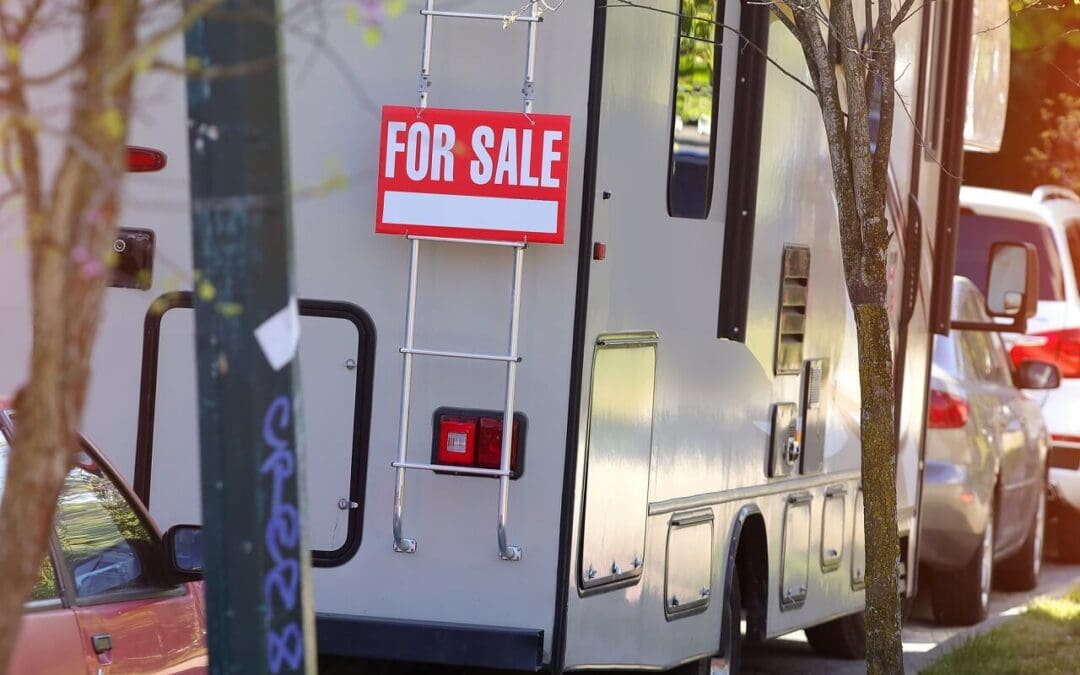
A used RV inspection is the most important step between finding an RV you love and committing to a purchase you might regret. The RV market is full of well-maintained, honestly priced rigs, and it’s also full of units that have been cleaned up for sale in ways that make serious problems temporarily invisible. Knowing what to look for before you make an offer puts you in a position to ask the right questions, negotiate from an informed position, or walk away before you’ve signed anything.
Roof and Exterior — What a Used RV Inspection Looks for First
The roof is the most critical area to evaluate because it’s the most common pathway for water damage. Soft spots in the roof surface indicate delamination or rot in the underlying substrate. Where water has entered the roof, it has traveled into the walls, ceiling, insulation, and often the cabinetry below. Exterior wall delamination, bubbling, rippling, or separating of the fiberglass or aluminum skin is another red flag an inspection consistently identifies on units with water intrusion history. Run your hand along the sidewalls and look closely near the slide-out openings for areas that feel hollow or show surface irregularity. Sealant condition around every roof penetration, seam, window, and door opening is one of the most telling indicators of how the previous owner maintained the unit. Cracked, missing, or discolored sealant means water has had access, and the question isn’t whether damage occurred, but how much.
Slides, Systems, and Mechanical Red Flags
Slide-outs deserve specific attention because they’re most frequently associated with water intrusion, seal failure, and operational problems. Operate every slide-out and watch for uneven movement, grinding sounds, or gaps in the seal when extended. Staining on the ceiling or floor immediately inside a slide-out opening is a water intrusion indicator the seller may not have been able to clean away. The electrical system is a used RV inspection area where problems range from minor wiring issues to genuine safety hazards. Test every outlet, switch, and 12-volt and 120-volt system in the rig. A unit where multiple systems fail to function suggests electrical problems may be layered rather than isolated. The water system requires testing with water actually running through it. Pressurize the fresh water system and run every faucet, shower, and toilet. Look under every sink and at every connection point for active drips or evidence of past dripping, such as mineral deposits, staining, or soft cabinet floors.
Interior Signs a Used RV Inspection Will Catch
A musty odor that persists after the windows are opened is the most reliable single indicator of mold or moisture damage in a concealed location: behind walls, under flooring, or in the ceiling. A used RV inspection that identifies a musty odor should prompt a closer look at every area where water could have entered. Soft flooring, particularly around the entry, bathroom, and near slide-out openings, indicates subfloor deterioration from moisture. In a used RV inspection, soft flooring is rarely the extent of the problem, it’s the surface expression of damage that typically extends into the structural components beneath. Cabinet doors that don’t operate correctly, separated seams, and interior water staining complete the picture a thorough used RV inspection provides before any offer is signed.
Frequently Asked Questions (FAQs)
Do I need a professional used RV inspection even if the RV looks good?
Yes, the ones that look good are often where a professional inspection matters most. A thorough cleaning, fresh sealant, and a functional walkthrough can make a unit with significant underlying problems look presentable. A professional used RV inspection evaluates the roof substrate, electrical system, water system under pressure, slide-out seals, and indicators of concealed moisture damage that a general walkthrough misses entirely. The inspection fee is a small fraction of what a major post-purchase repair would cost.
What are the most expensive problems a used RV inspection might find?
Water damage with resulting delamination and subfloor rot consistently produces the highest repair bills. Slide-out motor and seal failures, electrical rewiring, and roof replacement are the other high-cost categories.
Should I walk away from a used RV with soft spots on the roof?
Not necessarily, but they should be professionally assessed before any offer is made. Soft spots indicate past or ongoing water intrusion, and the extent of damage beneath them could range from manageable to severe.
How long does a professional used RV inspection take?
A thorough inspection of a typical motorhome or travel trailer takes six to eight hours depending on size and complexity, covering the roof, exterior, all mechanical and electrical systems, the water system under operating conditions, all slide-outs, and the full interior.
Can I use a used RV inspection report to negotiate the price?
Absolutely, this is one of the most practical reasons to commission an inspection before making an offer. A documented professional report gives a buyer the objective basis for requesting a price reduction or requiring the seller to address specific conditions. The findings convert a subjective negotiation into an objective one.
Gneiss Goods provides RV inspections to customers in San Antonio, TX, and the surrounding areas. Contact us to request our services.