
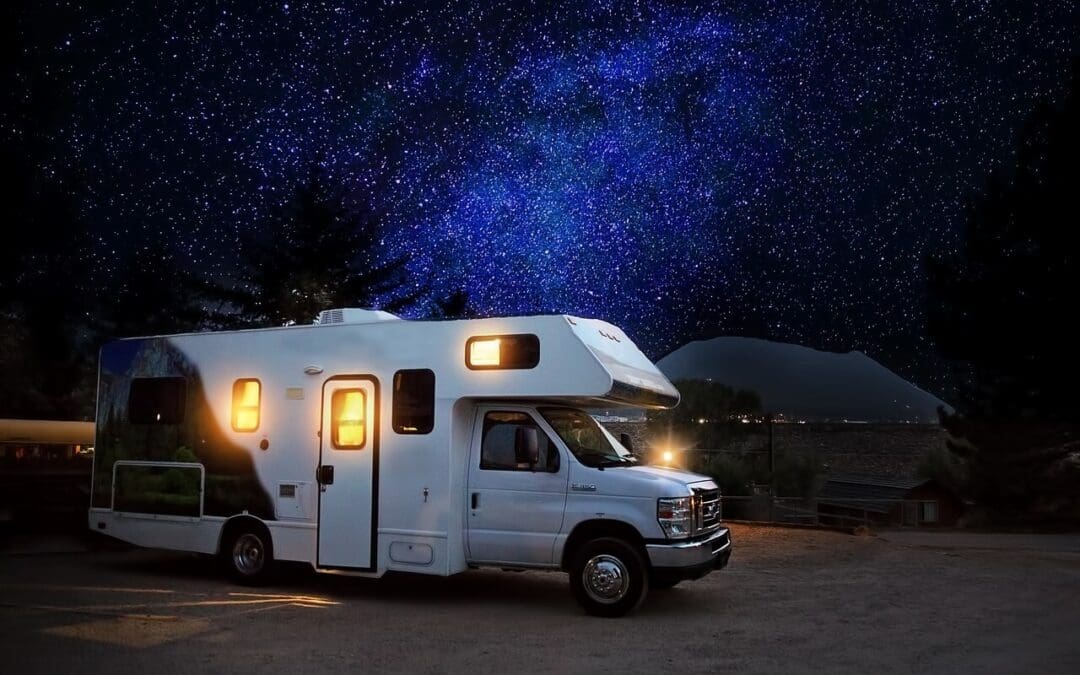
The national park system contains some of the most spectacular landscapes on earth and a surprisingly well-developed network of campgrounds that make many of these landscapes accessible by RV. Not every national park is equally RV-friendly, and knowing which ones offer the space, infrastructure, and access that make for a genuinely great RV experience helps you plan trips worth the drive. The best national parks for RV camping combine stunning scenery with campgrounds that can actually accommodate a modern rig without turning your arrival into an obstacle course.
What Makes a National Park Great for RV Camping
Before diving into specific parks, it’s worth understanding what separates a good RV camping experience from a frustrating one. Site length is the primary concern for larger rigs. Many historic park campgrounds were designed for tents and small trailers, and 40-foot motorhomes won’t fit comfortably in sites built for a 20-foot travel trailer. Checking maximum length restrictions before booking is non-negotiable for full-size rigs. Hookup availability, dump station access, road conditions into the campground, and proximity to scenic attractions all factor into the calculation. Some of the most beautiful national parks have campgrounds that are genuinely challenging for large RVs. Knowing the difference before you leave the driveway makes for a much better trip.
Top National Parks for RV Camping in the West
The American West contains the greatest concentration of RV-friendly national parks in the country, and several stand out as exceptional destinations for RVers of all rig sizes. Zion National Park in Utah regularly tops lists of the best national parks for RV camping. South Campground and Watchman Campground sit inside the canyon itself with easy access to the shuttle system. Watchman offers full hookup sites, a relative rarity inside a national park, and accommodates rigs up to 40 feet. The canyon scenery from the campground is dramatic before you’ve even left your site. Grand Teton National Park in Wyoming delivers arguably the most spectacular campground views in the national park system. Colter Bay and Gros Ventre campgrounds both accommodate large RVs, and the sight of the Teton Range rising from the valley floor at sunrise makes RV life worth the investment. Colter Bay offers hookup sites along with a full-service marina, laundry, and camp store. Glacier National Park in Montana is logistically challenging for large RVs, many park roads have strict length restrictions, but Apgar Campground near the west entrance accommodates rigs up to 35 feet and positions you well for exploring the western side of the park.
National Parks for RV Camping in the East and South
The eastern half of the country offers excellent national parks for RV camping that are more accessible to the majority of the U.S. population and require significantly less travel time for most RVers. Shenandoah National Park in Virginia runs along the Blue Ridge Parkway with campgrounds at elevation offering long-range views and cool summer temperatures, a beloved destination for RVers escaping mid-Atlantic heat. Mathews Arm and Loft Mountain campgrounds both accommodate larger rigs and provide a base for exploring the park’s 500 miles of trails. Great Smoky Mountains National Park straddles the Tennessee-North Carolina border and receives more visitors than any other park in the system. Cades Cove Campground accepts RVs up to 35 feet and offers a quieter, more rural atmosphere with excellent wildlife viewing. Book as far in advance as possible; sites fill quickly. Padre Island National Seashore in Texas offers a different category of national parks for RV camping, beach camping directly on the Gulf of Mexico. Bird Island Basin and North Beach allow RVs to camp on or adjacent to the beach with no hookups but with stunning water access and exceptional birding.
Frequently Asked Questions (FAQs)
Do I need a reservation to RV camp in national parks?
For the vast majority of popular national park campgrounds, yes, often many months in advance. Recreation.gov handles most national park reservations, and sites at popular parks like Zion, Grand Teton, and Great Smoky Mountains fill within hours of opening six months out. Traveling in the spring and fall opens up significantly more availability with smaller crowds and often better weather.
What is the maximum RV length most national park campgrounds accommodate?
This varies significantly by park and campground. Many historic campgrounds have low maximums of 20 to 27 feet, which exclude most modern RVs. Purpose-built campgrounds like Watchman in Zion or Colter Bay in Grand Teton accommodate rigs up to 40 feet. Always check the specific campground’s restrictions on Recreation.gov or the NPS website before booking.
Are hookups available in national park campgrounds?
Full hookups are rare but do exist in select parks. Watchman in Zion and Colter Bay in Grand Teton offer electric and water hookups at some sites. Most national park campgrounds have no hookups, making self-contained RVing with adequate tank capacity essential. Dump stations are available at most campgrounds; check before you go.
Can I use a generator in national park campgrounds?
Most national parks allow generator use during specific hours with quiet hours strictly enforced. Some ecologically sensitive areas have more restrictive policies. Checking the specific park’s generator policy before arrival prevents conflicts. Solar panels and lithium battery systems are increasingly popular among national park RV campers because they eliminate the noise and restriction issues generators create.
What’s the best time of year to RV camp in national parks?
It depends on location. Western mountain parks like Zion, Grand Teton, and Glacier are accessible May through October, with peak crowds in July and August. Shoulder season, May through early June and September through October, offers good weather with dramatically better availability. Southern parks like Great Smoky Mountains and Padre Island are accessible year-round, with spring and fall offering the most pleasant camping conditions.
Gneiss Goods provides RV inspections to customers in San Antonio, TX, and the surrounding areas. Contact us to request our services.