
Life on the road offers freedom and flexibility, but it also requires careful planning, especially when it comes to electricity. RV power management is essential for keeping appliances running, batteries charged, and systems operating safely. Without a clear understanding of how power works in an RV, it’s easy to overload circuits, drain batteries unexpectedly, or find yourself without power at the worst possible moment. A solid grasp of how to manage energy effectively makes for a more comfortable, confident, and stress-free travel experience.
Understanding the Basics of RV Power Management
Most RVs draw from a combination of four power sources: shore power, batteries, generators, and solar panels, and knowing when and how to use each one is the foundation of effective RV power management. Shore power, accessed through a campground electrical hookup, provides consistent energy capable of running large appliances without drawing down your batteries. It’s the easiest and most reliable source when available. Batteries take over when shore power isn’t an option, storing energy for use while parked off-grid or between hookup sites. Generators provide a backup capable of running high-demand appliances and recharging batteries quickly, though they require fuel and create noise that isn’t always welcome at a campsite. Solar panels have become increasingly popular for their ability to passively maintain battery levels throughout the day. Balancing these sources based on your camping situation is the core skill of RV power management.
Managing Electrical Load and Battery Health
Every appliance in an RV draws a certain amount of power, and running too many high-demand devices simultaneously is one of the most common RV power management mistakes. Air conditioners, microwaves, electric water heaters, and space heaters are the biggest consumers. Being intentional about which appliances run concurrently, and staggering high-draw usage where possible, keeps the system operating within safe limits. Batteries are the heart of any off-grid power setup, and how you treat them directly affects their lifespan and reliability. Deep discharges, letting batteries drop too low before recharging, significantly shorten battery life, particularly with traditional lead-acid batteries. Lithium batteries are more tolerant of deeper discharge cycles, which is one reason they’ve become a popular upgrade. Regardless of battery type, monitoring charge levels regularly, keeping batteries clean and properly ventilated, and following the manufacturer’s recommended charging practices all contribute to better long-term performance.
RV Power Management With Solar and Generators
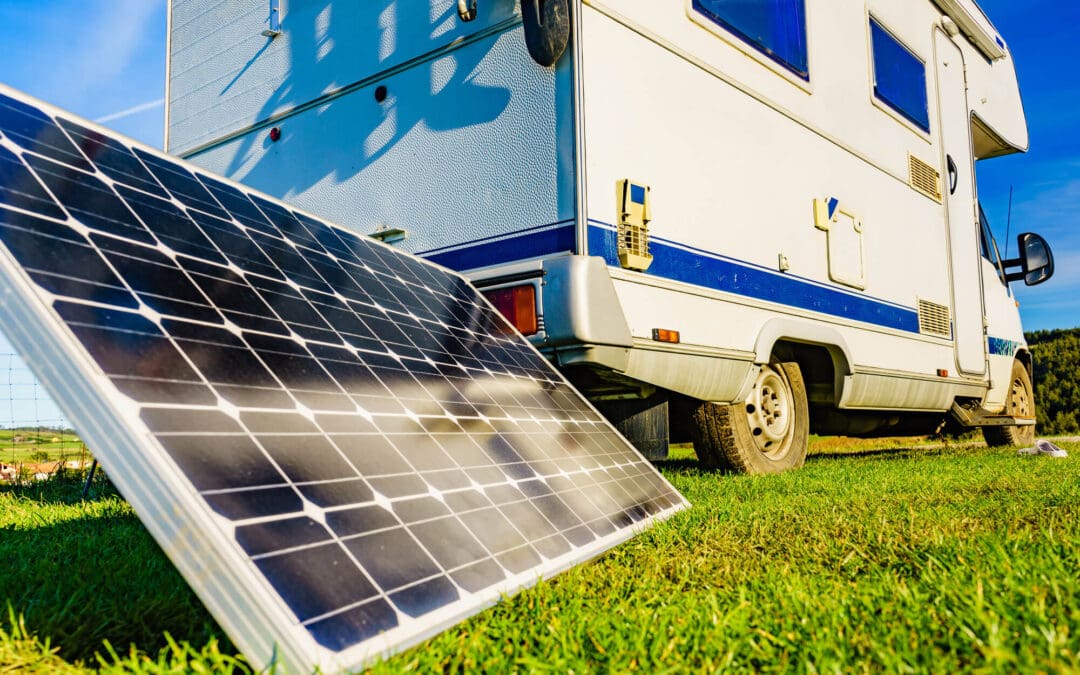
Solar has transformed RV power management for travelers who spend significant time off-grid. A well-sized solar setup, typically 200 to 400 watts or more, depending on usage, can maintain battery charge throughout the day on sunny conditions, reducing or eliminating the need to run a generator. Solar works best as a passive maintenance tool rather than a primary power source for high-draw appliances, but paired with a quality battery bank, it enables genuinely comfortable off-grid living.
Generators remain an important part of the power management equation, particularly when solar isn’t enough. Running the generator strategically, during peak usage hours and turning it off once batteries are charged, and immediate appliance needs are met, conserves fuel and reduces noise impact on neighboring campers. Many experienced RVers run their generator for a defined period in the morning and evening rather than continuously, which covers most power needs efficiently.
Safety, Conservation, and Adapting to Different Camping Situations
RV power management includes a critical safety dimension that shouldn’t be overlooked. Surge protectors are a non-negotiable addition for anyone using campground shore power; voltage fluctuations and power surges can damage appliances, electrical systems, and batteries without warning. Regular inspection of wiring, outlets, and connections catches developing issues before they become dangerous failures. Any signs of burning smell, discolored outlets, or frequently tripping breakers warrant immediate attention.
Energy conservation habits are equally important, particularly during off-grid stays. Switching to LED lighting throughout the RV reduces consumption significantly. Turning off lights, fans, and devices when not in use extends battery life. Being aware of devices that draw power even when not actively in use and unplugging them when possible adds up meaningfully over time. Different camping environments call for different approaches. Full hookup campgrounds allow for much greater flexibility, while boondocking requires a disciplined, conservation-first mindset from the moment you arrive.
Frequently Asked Questions (FAQs)
What is RV power management, and why does it matter?
RV power management is the practice of balancing and controlling your RV’s power sources to maintain a consistent, safe, and reliable energy supply. Without it, you risk overloaded circuits, dead batteries, and unexpected outages that can disrupt or cut short a trip.
How do I avoid overloading my RV’s electrical system?
Avoid running multiple high-draw appliances simultaneously. Stagger their use where possible, know your system’s amperage limits, and invest in a power management system or surge protector that monitors and protects your electrical load.
Are solar panels worth adding to an RV?
For most RVers who spend time off-grid, yes. Solar panels passively maintain battery levels throughout the day without noise or fuel cost. They work best as a complement to a quality battery bank.
How often should I check my RV batteries?
Battery levels should be monitored regularly. Check voltage or state of charge before and after each day, avoid letting them discharge too deeply, and perform a more thorough inspection of connections and physical condition at least once a season.
Gneiss Goods provides RV inspections to customers in San Antonio, TX, and the surrounding areas. Contact us to request our services.