
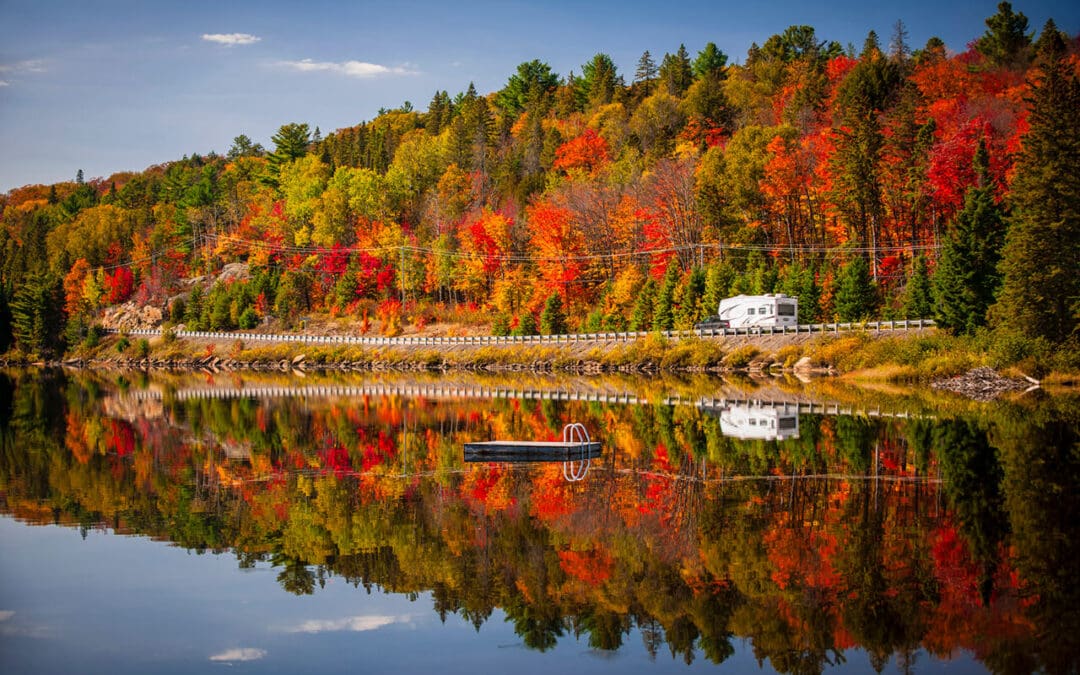
A fall RV trip is widely considered the best season for RV travel. Shoulder-season crowds mean better campsite availability, cooler temperatures make outdoor time genuinely comfortable, and fall foliage makes routes and destinations that are beautiful in any season extraordinary from September through November. But a fall trip also introduces conditions that summer camping doesn’t: colder overnight temperatures, earlier sunsets, campgrounds closing for the season, and rig systems that need preparation for cold-weather operation. The planning is what determines whether those conditions are minor considerations or genuine problems.
The Planning Framework for a Successful Fall RV Trip
Fall RV trip planning has a different rhythm than summer planning because availability, weather windows, and campground schedules all compress in ways that summer doesn’t. Starting the planning process six to eight weeks before departure gives enough lead time to secure reservations, prepare the rig, and build a route that accounts for the season’s specific conditions. Route selection should center on two variables: peak foliage timing and campground operating seasons. Foliage timing varies significantly by region. The Northeast typically peaks from late September through mid-October, the Appalachian corridor runs slightly later, and the Southwest offers compelling fall color from aspens and cottonwoods in October. Timing the visit to the peak or near-peak window is the planning detail that most separates a great fall RV trip from a good one.
Campground availability in fall is better than summer for most destinations, but the window closes quickly as campgrounds transition to off-season schedules. Many state and national park campgrounds operate on reduced capacity or close entirely in October and November. Booking six to eight weeks out for peak-foliage weekends and maintaining flexibility for weeknight arrivals gives a fall RV trip the right balance of planned and spontaneous.
Preparing the Rig for Fall RV Trip Conditions
The most consequential preparation difference between summer and fall is cold weather readiness. Overnight temperatures at popular fall destinations regularly drop into the 30s and 40s in October and into the 20s by November. A rig prepared for summer and pressed into fall service without preparation creates real comfort and system problems. The water system is the most vulnerable rig component in cold weather. Exposed freshwater lines and water hose connections left outdoors overnight could freeze when temperatures drop below 32 degrees. Running a heated water hose rated for cold-weather connection prevents the most common freeze point. Keeping the rig’s heated underbelly system and tank heaters active during cold nights protects the tanks themselves.
Heating system inspection before the trip begins is non-negotiable. A furnace that hasn’t run since the previous winter should be tested at home before departure. Run the furnace for a full heating cycle, confirm the thermostat responds correctly, and check that all vents are clear of debris from summer storage. A backup electric space heater provides contingency when shore power is available but should never be the primary heat source.
Building the Right Itinerary for Your Fall RV Trip
Fall RV trip itineraries reward a more deliberate pace: fewer miles per day, more time at each destination, and routing that prioritizes scenic byways over efficient highways. Earlier sunset times in fall make arriving after dark at unfamiliar campgrounds more likely if daily distances are too ambitious. A realistic daily driving target of 200 to 250 miles leaves enough afternoon to set up camp in daylight, explore the immediate area, and enjoy the evening hours that fall camping does particularly well. Building flexibility for weather windows is valuable; a cold, rainy day that would have been a hiking day can become a driving day to the next destination, while an unexpectedly beautiful afternoon deserves more time than the schedule allows. Those who enjoy fall travel most plan thoroughly enough to have good options but loosely enough to take them.
Frequently Asked Questions (FAQs)
When is the best time for a fall trip?
It depends on the destination. For peak foliage in New England, late September through mid-October is the target. The Appalachians peak in mid to late October. Rocky Mountain aspens typically peak in late September. The Blue Ridge Parkway and Smoky Mountains peak from October through early November. Building an itinerary around a two-week window centered on expected peak provides the best chance of hitting peak conditions.
What campgrounds stay open through fall and how do I find out?
Most private campgrounds and many state parks operate through October and into November, though services may be reduced. National park campgrounds vary significantly. Check the specific campground’s website or call directly for current operating schedules before booking October and November dates.
What should I add to my packing list for a fall RV trip?
Beyond standard gear, fall RV trip packing should include additional layers and insulated outerwear, a heated water hose, extra blankets, firewood for campfire evenings, and a backup electric space heater for use with shore power. Rain gear is more essential in the fall, and waterproof footwear is worth including.
How do I keep my RV warm overnight without running the furnace all night?
Layer heat retention rather than relying on continuous furnace operation. Thermal window coverings reduce heat loss through glass. An electric space heater supplements the furnace when shore power is available. Keeping interior doors closed between sleeping areas and the main living space reduces the volume the furnace has to heat and improves overnight efficiency.
Is fall travel safe in areas with bear activity?
Fall is an active period for bears; they’re in hyperphagia, the intense feeding phase before hibernation. Safe food storage practices are essential: all food, trash, and scented items should be stored inside the locked rig when not in use, never left outside overnight. Many campgrounds in bear-active areas have specific food storage rules; review and follow them consistently for the safety of both campers and wildlife.
Gneiss Goods provides RV inspections to customers in San Antonio, TX, and the surrounding areas. Contact us to request our services.